Silica 700V: technical fabric for thermal protection and controlled cooling in welding
by
In welding processes and hot work, protection against high temperatures, sparks, or molten metal splashes is a critical factor. However, beyond this direct protection, there is another equally important aspect: controlling the cooling of parts after the process.
Cooling too quickly can compromise the integrity of the material, generating internal stresses and structural defects that affect final performance. In this context, the Silica 700V fabric with vermiculite coating stands out as an effective solution, combining extreme thermal resistance with outstanding heat management capability.
A TECHNICAL FABRIC DESIGNED FOR HIGH TEMPERATURES
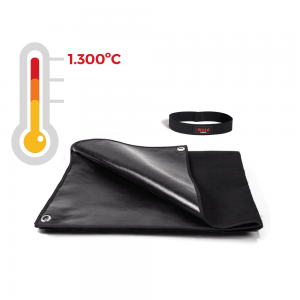
Silica 700V is manufactured from high-content silica fiber, allowing it to operate under highly demanding thermal conditions. This material withstands continuous temperatures of up to 950 ºC and thermal peaks of up to 1300 ºC, maintaining its structural integrity and mechanical properties.
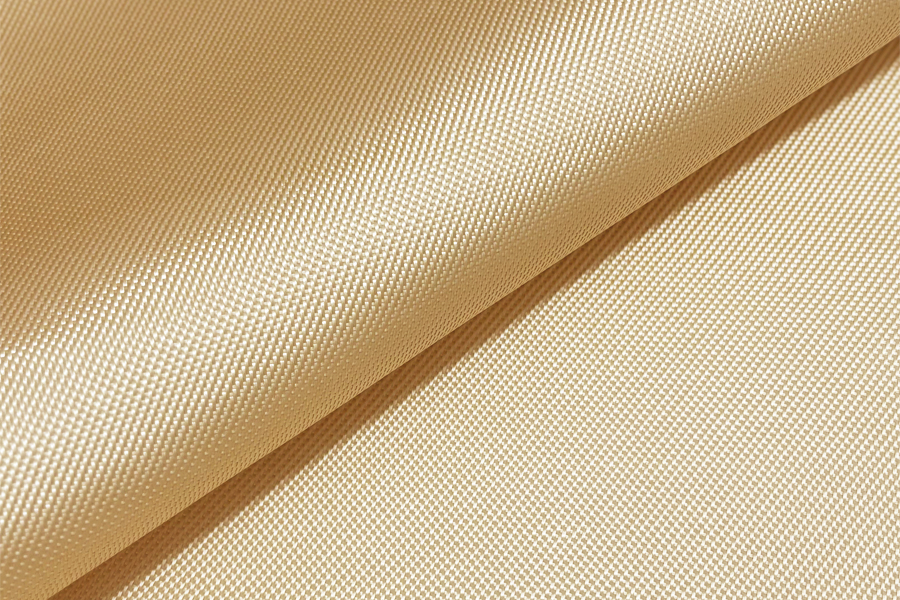
The vermiculite coating provides additional technical value. This surface treatment binds the fibers together, improves abrasion resistance, and increases the dimensional stability of the fabric. As a result, a more durable and reliable material is obtained for industrial environments where working conditions are particularly aggressive.
From a physical standpoint, the fabric has a thickness of 0.7 mm and a weight of 650 g/m². It is also fully reversible, meaning it offers the same performance on both sides. As an inherently flame-retardant material, its properties do not degrade with use or over time.
THERMAL PROPERTIES AND HEAT PERFORMANCE
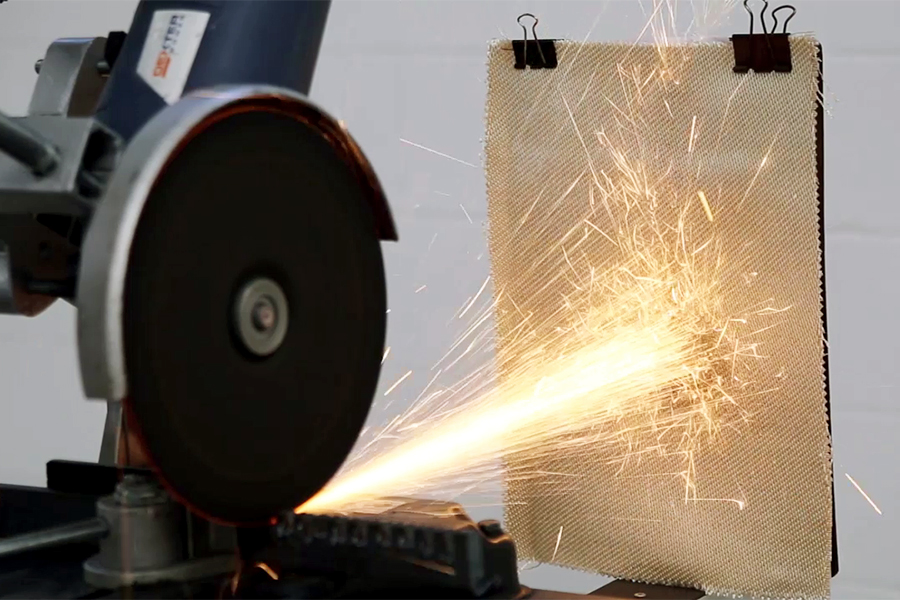
One of the key characteristics of Silica 700V is its low thermal conductivity. This property allows it to act as an effective barrier against intense heat sources, significantly reducing heat transfer to protected surfaces.
The vermiculite coating also enhances its performance against sparks and small molten metal splashes. This reduces surface wear and extends the fabric’s lifespan, even in demanding applications such as welding or cutting processes.
In terms of certification, the fabric has been tested according to UNE 23102-90, achieving an M0 classification (non-combustible material). It also complies with ISO 9151, reaching a B1 level in heat transfer resistance to flame. These classifications support its reliability in industrial thermal protection applications.
CONTROLLED COOLING AND THERMAL SHOCK PREVENTION
Beyond its function as a thermal barrier, Silica 700V plays a key role in managing the cooling of metal parts after welding processes. This aspect is essential to ensure the final quality of the material.
Controlled cooling consists of regulating the rate at which a part loses temperature. When this process occurs too quickly, what is known as thermal shock appears, caused by sudden temperature differences within the material.
This phenomenon can lead to several technical issues:
• Deformation of the part
• Appearance of cracks or fissures
• Loss of mechanical properties
• Premature service failure
Thanks to its insulating capacity, Silica 700V reduces the rate of heat dissipation, promoting more gradual and uniform cooling. This helps minimize internal stresses and improves the structural stability of treated parts.
INDUSTRIAL APPLICATIONS OF SILICA 700V
Silica 700V is a versatile technical fabric that can be used in different industrial environments where thermal protection and heat control are required. Its main applications include:
• Welding blankets for high temperatures
• Thermal protection in cutting and grinding operations
• Blankets for controlled cooling of metal parts
• Temporary thermal insulation in industrial processes
This versatility allows it to be integrated into various production processes, providing both direct protection and improved final product quality.
KEY ADVANTAGES IN WELDING AND MANUFACTURING PROCESSES
The combination of thermal resistance, durability, and cooling control capability makes Silica 700V a particularly effective technical solution in industrial environments.
Its main advantages include:
• High resistance to extreme temperatures
• Improved durability thanks to the vermiculite coating
• Reduced heat transfer
• Protection against sparks and splashes
• Cooling control and reduced risk of thermal shock
FREQUENTLY ASKED QUESTIONS ABOUT SILICA 700V
What does the vermiculite coating add to the fabric?
The vermiculite coating improves fiber cohesion, increases abrasion resistance, and enhances the fabric’s performance against direct heat, extending its service life.
Does Silica 700V lose its properties over time?
No. As an inherently flame-retardant material, its thermal and mechanical properties remain stable over time and with use.
What is controlled cooling used for in welding?
It helps reduce internal stresses in parts, preventing defects such as cracks, deformation, or loss of mechanical properties.
What types of work is this fabric recommended for?
It is especially suitable for welding, cutting, grinding, and applications where thermal protection and controlled cooling of metal parts are required.
CONCLUSION
Silica 700V is much more than a flame-retardant fabric. Its ability to withstand extreme temperatures while managing the cooling of parts makes it a key technical solution in welding processes and hot work.
Its use not only improves heat protection but also contributes to optimizing the final quality of materials, reducing risks associated with thermal shock and increasing the reliability of industrial processes.
Texfire, as a specialized manufacturer of technical flame-retardant fabrics, develops solutions tailored to the real needs of the industry, ensuring performance, safety, and durability.
CONTACT
If you need technical advice on flame-retardant fabrics or thermal protection solutions, you can contact Texfire to receive a personalized recommendation based on your industrial application.
Request technical information or a quote with no obligation.
Related products